
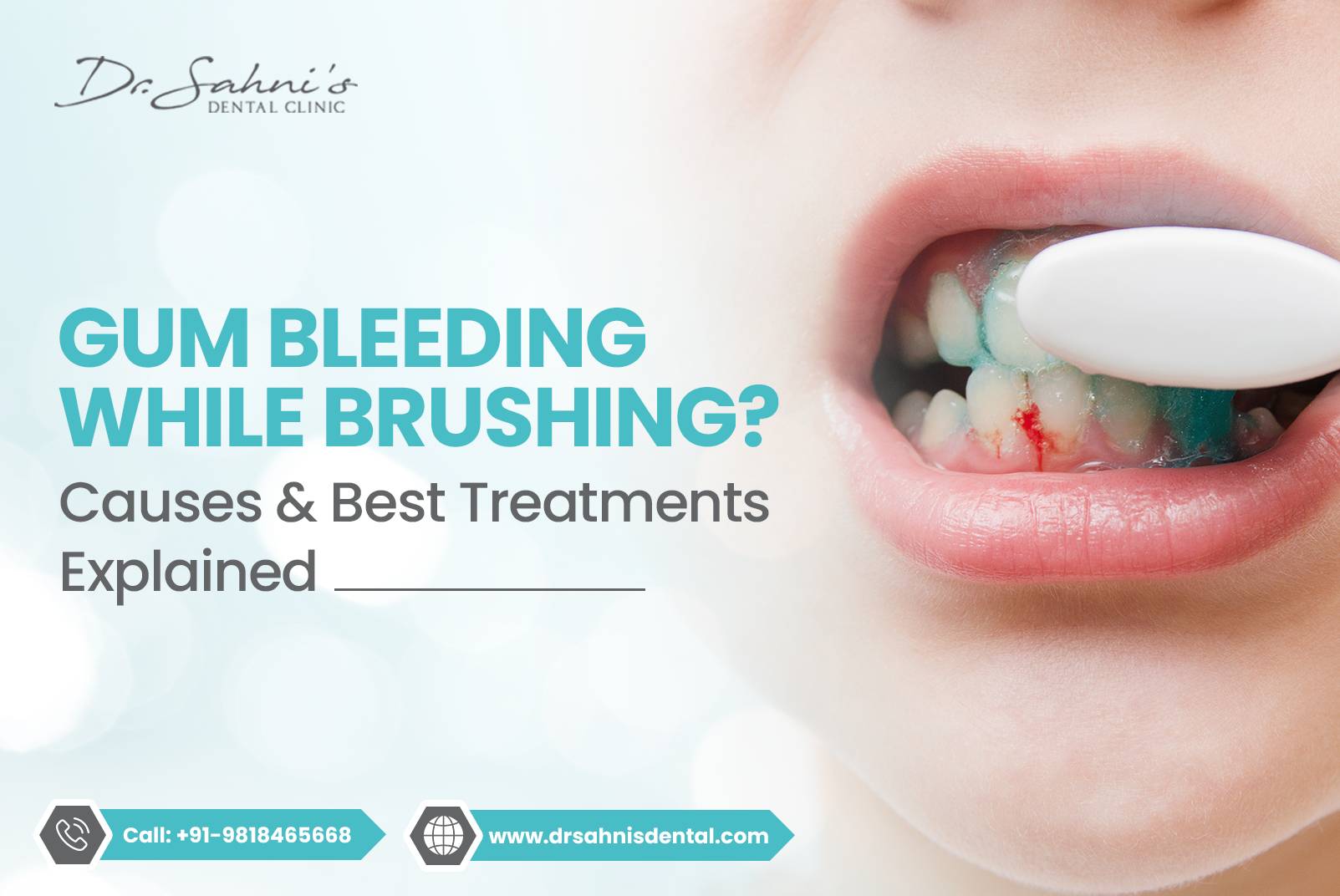
It can be scary to find blood in the sink after brushing your teeth. While many individuals may consider bleeding gums a mild issue, it can be a sign of a more significant problem with oral health that warrants further attention. It is essential to understand why your gums bleed and how to care for and prevent this issue to maintain a healthy smile.
Why Do My Gums Bleed When I Brush?
Bleeding gums when brushing are most frequently a symptom of some form of gum disease, but other factors may also be involved. The earliest and most typical cause of bleeding gums is gingivitis, which means “inflammation of the gums” or the initial stage of gum disease. Gingivitis develops due to an accumulation of plaque, a sticky substance made of bacteria, along the gum line. Unless removed through an effective daily toothbrush and floss routine, plaque will irritate the gums, which will become red and swollen and ultimately cause bleeding.
If the gingivitis is allowed to progress without intervention, it can progress to periodontitis, which is defined as having more severe inflammation and infection in the deeper tissues that surround the teeth (also referred to as pyorrhea). Periodontitis, if allowed to progress without treatment, eventually damages the more supportive structures of teeth surrounding both the gums and bone. Periodontitis, in a worst-case scenario, may allow teeth to become mobile and eventually result in the premature loss of teeth.
Other Causes for Gum Bleeding
It is not alwayscaused by gum disease; other causes include:-
- Brushing aggressively or with a hard-bristle toothbrush
- Not flossing for an extended period
- Deficiencies in vitamin C or vitamin K can weaken blood vessels or impair healing, making the gums bleed more easily
- Hormonal changes during Pregnancy, menstruation, or menopause can make the gums more sensitive
- Medical risk factors such as Diabetes, blood disorders, or drugs that thin the blood can cause bleeding gums
- Smoking may harm the gums and healing, leading to an increased risk of bleeding and infections.
Seeking early treatment might prevent a lot of serious side effects, such as bone loss or loss of teeth.
Best Approaches for Treatment of Bleeding Gums
Proper treatment depends on the underlying cause. Below are some ways to treat bleeding gums:
1. Optimize Your Oral Hygiene Routine
Good oral hygiene is the foundation of healthy gums. Brush at least two times daily using a soft-bristle toothbrush and floss daily to remove plaque between your teeth and along the gumline. Use gentle, consistent, circular motions—don’t scrub too hard!
2. See a Dentist for a Tooth Cleaning
If plaque develops into tartar, brushing will not remove it. A dentist must perform a professional dental cleaning (scaling and root planing) to remove tartar and bacteria above and below the gumline. Seeing a dentist every 6 months helps catch problems early and helps you maintain your gum health.
3. Evaluate for Other Health Problems
If your dentist suspects a vitamin deficiency or an underlying medical condition, diabetes, for example, is contributing to your bleeding gums, they may recommend blood tests or refer you to your physician. It is essential to manage the health problems contributing to your gum issues for general and oral health.
4. Changes in Lifestyle
- Quit tobacco: Quitting tobacco can greatly improve the healing and health of the gums.
- Use a well-balanced diet: Incorporate foods high in vitamin C (citrus fruits, bell peppers) and vitamin K (leafy greens) into your meals for healthy gum tissue.
- Reduce stress: High stress can inhibit the immune system from effectively fighting off infections, including gum infections.
5. Home Remedies
- Saltwater rinses: Warm saltwater rinses can help reduce bacteria and calm inflamed gums.
- Antibacterial mouth rinse: Attaching a mouth rinse recommended by your dentist is beneficial for plaque and bacteria control.
6. Advanced treatments
Severe gum disease (periodontitis/pyorrhea) will require additional treatment, which may involve:-
- Antibiotics: To help control infection.
- Laser therapy: A less invasive option for the elimination of infected tissue.
- Surgical procedures: In the most severe cases, surgical procedures may be required to restore health to the gums and bone, which may also involve placing artificial teeth or bone grafts.
How to Prevent the Bleeding Gums: The Best Defense for Healthy Gums
It is better to prevent bleeding gums than to treat them. Here are tips to avoid bleeding gums:-
- Brush and floss regularly and with the correct technique.
- Use a toothbrush with soft bristles and replace it every three months.
- Visit your dentist twice a year for dental examinations and dental cleanings.
- Eat a well-balanced diet and drink ample water.
- Avoid tobacco and reduce sugary foods and drinks.
When to Go to the Dentist
If your gums have been bleeding for longer than two weeks or you are experiencing gum pain, swelling, or oral pus, contact your dentist for an appointment. A timely dental appointment or care can reduce complications and help you maintain good oral health for many years.
If you require expert care and treatment for bleeding gums or any dental concern, contact Dr. Sahni’s Dental Clinic in South Delhi., their expert dental professionals will provide personalized solutions for gum disease and other oral health issues.